


As organizations continue to embrace the cloud, many are facing the challenge of migrating their complex Oracle workloads to AWS. While the cloud offers numerous benefits, such as increased agility and cost savings, migrating complex Oracle databases can be a complex and time-consuming process. However, with proper planning and execution, organizations can successfully migrate their Oracle workloads to AWS and reap the benefits of cloud computing.
AWS provides a comprehensive set of services that allow organizations to migrate their Oracle databases with ease. It also offers tools such as Database Migration Service (DMS) which helps in automating the migration process. In addition, AWS provides a wide range of services like Amazon Relational Database Service (RDS) which can be used to host Oracle databases in the cloud.
When it comes to moving Oracle workloads, AWS delivers a wealth of resources, including documentation, tools, and a partner eco system. However, the vast majority of the available resources focus on oversimplified use cases rather than the complicated real-time situations that users would really encounter. Based on our extensive experience, we at Digitalstates would like to share some of the best practices and lessons learned about the transfer of Oracle Database and E-Business Suite workloads to Amazon Web Services (AWS).
Let’s start by listing what can be the scenarios one can face while migrating to AWS.
Some approaches to migration are only valid if certain properties of the original (on-premises) and destination databases are same or compatible. Even if more than one migration strategy is technically possible, it may still come down to non-technical considerations.
When deciding on a migration strategy, it's important to think about the following features and factors:
There are several methods to migrate Oracle databases to AWS and several considerations, like as the version, character set, and platform endian format of the source and target databases, determine which of these strategies applies to a specific migration scenario.
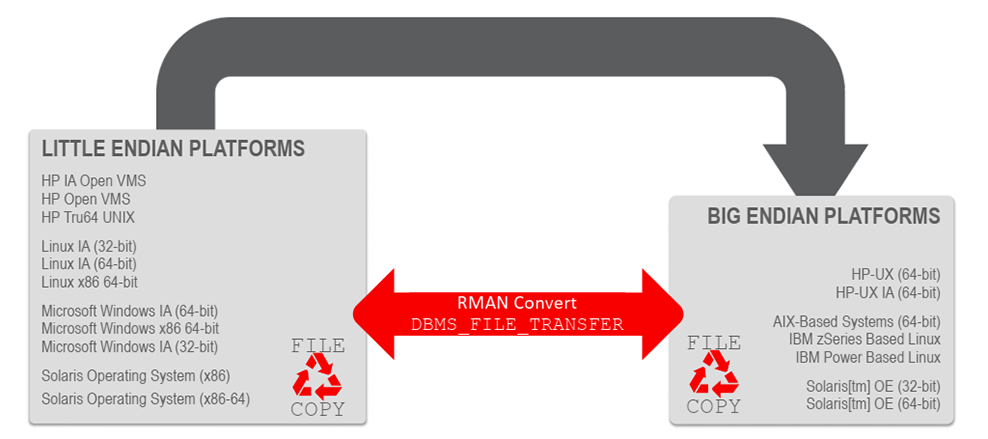
We are listing some of the common migration strategies and tools:
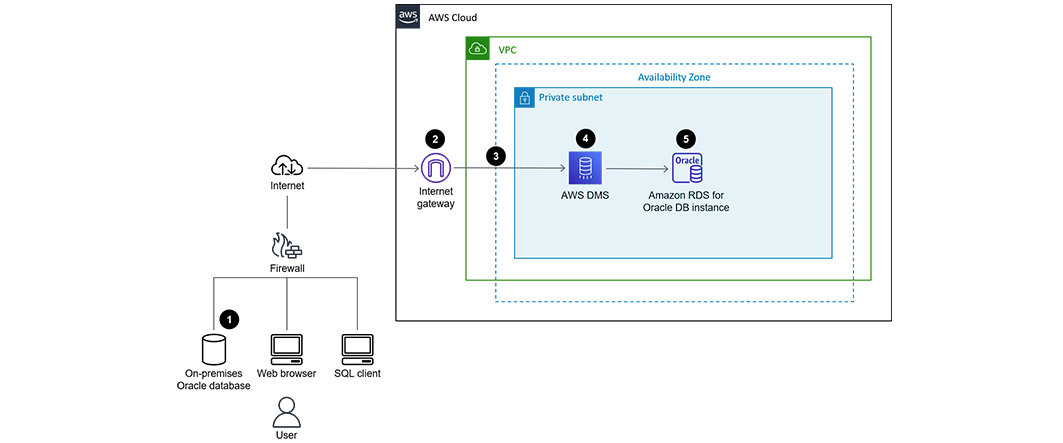
When choosing where to deploy Oracle database workload in AWS there are two main options:
Without going into too much detail let’s try to list some of the best practices to follow when it comes to migrating complex Oracle database workloads and Apps.
AWS provides great details of guide lines when it comes to adoption or migration to cloud and one such tool is the Migration Acceleration Program (MAP for Short). his program provides organizations with access to AWS experts who can assist with the planning and execution of their migration, as well as access to tools and services that can help streamline the process.
There have been far too many failures to learn our lesson about the need of doing a thorough evaluation; many client teams have assumed they had a firm grasp of their system's environment, dependencies, integrations, and business requirements.
Assessment which includes detailed discovery of current infrastructure provides valuable insights into :
This allow us to determine :
In order to successfully migrate Oracle workloads, you will want the assistance of knowledgeable DBAs who are well-versed in utilizing RMAN and other best practices, such as deploying DB and OS level fixes.
Infrastructure, configuration, monitoring and data migration automation plays critical role in complex and large scale Oracle migrations. We recommend to create environments using automation ( Cloud Formation Templates , Terraform, Ansible, Scripting ) . Also it is specifically more important to perform continues monitoring of server performance and data migration status. The runbooks are also essential from validating server build to performing cutover tasks.
There are also many other important factors to consider when provisioning or migrating Oracle workloads to AWS including :
Migrating complex Oracle workloads to AWS can be a complex and time-consuming process, but with proper planning and execution, organizations can successfully migrate their Oracle workloads to the cloud and reap the benefits of cloud computing. By understanding the architecture of your Oracle databases and applications, securing sensitive data, implementing proper networking and data management practices, and ensuring optimal performance, organizations can ensure a successful migration to AWS.